
There are moments in life when words fail us. When emotions feel too heavy, too tangled, or too distant to explaineven to ourselves. Trauma doesn’t always arrive loudly; sometimes it settles quietly, shaping how we think, feel, and move through the world. And in those moments, music often becomes something more than background noise. It becomes a language of its own.
Music has a unique way of reaching places that logic cannot. Much like thoughtful banner design, where visuals are crafted to communicate emotion instantly, music delivers feelings directlywithout needing explanation. A single melody can bring tears, relief, or even a sense of understanding we didn’t realize we were searching for. This is why, across cultures and generations, people turn to music not just for entertainment, but for healing.
Why Music Connects So Deeply With Emotion
The human brain is wired to respond to music in powerful ways. Studies in neuroscience show that music activates regions responsible for emotion, memory, and even physical sensation. This is why a song from years ago can instantly take you back to a specific momentwhat you felt, where you were, and who you were with.
When someone experiences trauma, their emotions can become suppressed or overwhelming. Music acts as a bridge. It helps release what’s stuck or give shape to feelings that are otherwise difficult to identify. Instead of forcing ourselves to “figure it out,” music lets us feel firstand understanding often follows.
Turning Pain Into Expression
One of the most profound ways music helps with healing is through expression. For artists, songwriting becomes a form of emotional processing. They take raw, personal experiences and transform them into something structured, something shareable.
But you don’t have to be a musician to benefit from this. Even simply listening to a song that mirrors your emotions can feel like validation. It’s the realization that someone else has felt this tooand found a way through it.
Think about how often people say, “This song explains exactly how I feel.” That’s not accidental. It’s the power of shared emotional language.
Creating Space for Reflection
In a world that moves fast and rarely pauses, music creates a moment of stillness. It gives you permission to sit with your thoughts rather than avoid them.
Listening intentionallywhether through headphones on a quiet walk or alone in your roomcan become a form of reflection. Instead of pushing emotions aside, you allow them to surface safely. Over time, this process helps reduce emotional tension and brings clarity.
For many people, certain songs become part of their healing journey. They mark phasesgrief, acceptance, growth. Music becomes a timeline of emotional recovery.
The Role of Music in Trauma Recovery
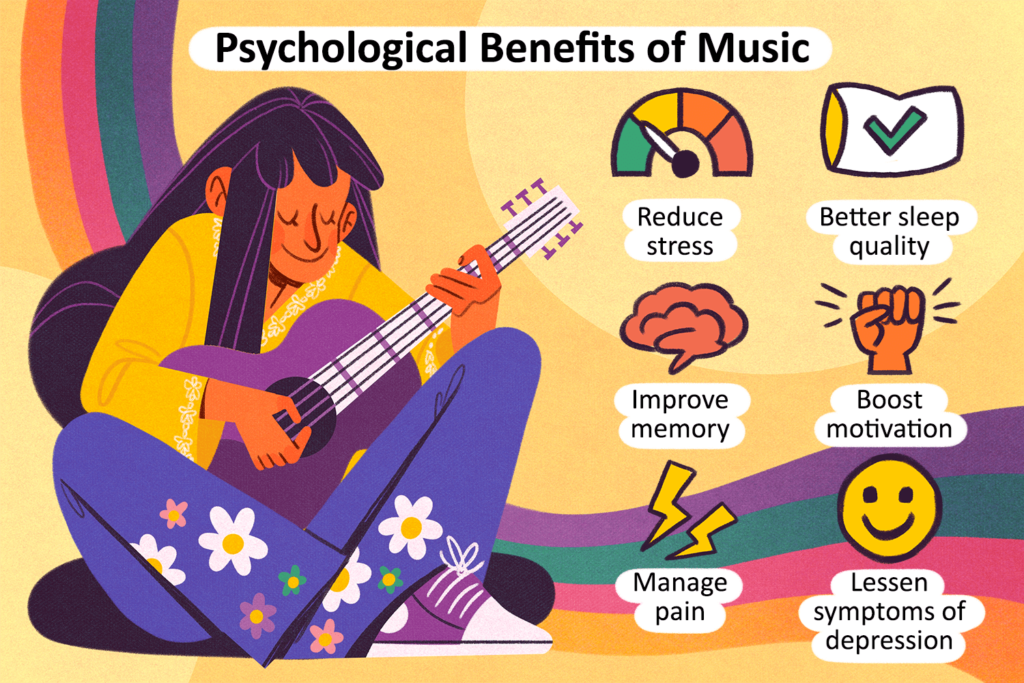
Therapists often use music in clinical settings, especially in trauma-focused therapy. This isn’t surprising. Music therapy has been shown to:
- Reduce anxiety and stress levels
- Improve emotional regulation
- Help individuals reconnect with their feelings
- Provide a non-verbal outlet for expression
For someone who struggles to talk about their experience, music offers a safer entry point. It doesn’t demand explanations. It simply allows emotion to exist.
Real-Life Healing Through Music
Consider someone who has gone through a major life disruptionloss, displacement, or personal crisis. At first, silence may feel overwhelming. But slowly, they start listening to music again. Not randomly, but intentionally. Songs that reflect sadness. Songs that bring comfort. Songs that offer hope.
Over time, their playlist changes. What starts as deeply emotional tracks gradually shifts toward lighter, more empowering ones. This subtle transition reflects internal healing. Music doesn’t just accompany recoveryit often mirrors it.
Many artists themselves have shared how their most vulnerable songs came from their darkest moments. And those same songs go on to help others feel less alone.
Practical Ways to Use Music for Healing
You don’t need a structured plan to benefit from music, but being intentional can deepen its impact. Here are a few simple ways to integrate music into your emotional healing process:
1. Build Emotion-Based Playlists
Create playlists based on how you feelnot how you think you should feel. Let them reflect your real emotional state.
2. Practice Active Listening
Instead of playing music in the background, sit with it. Focus on lyrics, instruments, and how it makes you feel.
3. Use Music as a Release
If you feel overwhelmed, put on a song that matches your mood and let yourself feel fullywhether that means crying, reflecting, or simply breathing.
4. Write Alongside Music
Even if you’re not a songwriter, journaling while listening to music can help process thoughts more clearly.
5. Notice Emotional Shifts
Pay attention to how your music preferences change over time. It can reveal subtle progress in your healing journey.
Healing Is Not Linearand That’s Okay
One important truth about trauma is that healing doesn’t happen in a straight line. Some days feel lighter, others heavier. Music respects that rhythm. It meets you where you are, without judgment.
There’s no “right” song for healingonly the one that resonates with you in that moment. And sometimes, that’s enough.
Conclusion
Music doesn’t fix everythingbut it helps us face what feels unfixable. It gives shape to emotions, creates space for reflection, and reminds us that we’re not alone in what we feel. Whether through listening, writing, or simply being present with a song, music becomes a quiet companion in the healing process.
In a world where expressing vulnerability can feel difficult, music offers a safe place to begin. And sometimes, that first stepfeeling understoodis exactly what we need to start moving forward.